Working Together so Every Child Can Flourish
Chapin Hall and the Children’s Defense Fund advance child-flourishing policy agenda, integrating community wisdom and evidence
What would it take for public systems to help every child thrive? For decades, policy has focused on protecting children from harm. Preventing trauma and adverse experiences remains essential. But safety alone doesn’t add up to flourishing. Children also need relationships, resources, and community conditions that help them grow strong.
Chapin Hall and the Children’s Defense fund are partnering to build that fuller picture, starting in the South. Black families there have long drawn on deep cultural strength while navigating persistent structural inequities, and the region is now at the center of some of the country’s fastest-moving policy changes. Working alongside communities, we are developing a new framework that elevates both family voices and evidence, to show what truly builds children and families up. The goal is practical: knowledge that policymakers, communities, and funders can use to invest in what works for children’s flourishing and well-being.
Through a signature initiative of their partnership, Chapin Hall and the Children’s Defense Fund (CDF) are working to fill gaps in what we know about child flourishing and how policy should evolve to support it, starting from what families and communities say their children need.
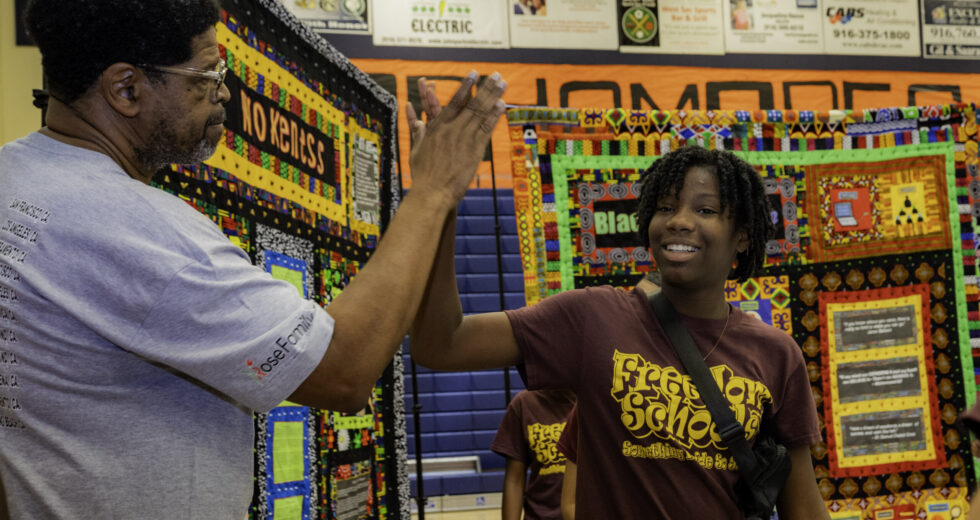
Early work is regionally based – creating a series of State of Black Children in the South reports, followed by a policy roadmap and scorecard that communities and decision-makers can use to assess how policy supports children’s flourishing. The team held conversations with program leaders and Servant Leader Interns, alongside parents and caregivers across three CDF Freedom School® sites in Birmingham, AL; Galveston, TX; and Columbia, SC, about what strengthens and challenges well-being. Those insights were paired with a scan of developmental literature and a review of recent policy and fiscal changes in the states.
One early insight: families and community leaders described flourishing in terms of joy, safety, affirmed cultural identity, and a child’s visible spark–dimensions that science and policy have given far less attention than adversity. Over the next few years, the project aims to create a foundation for reevaluating the roles that policy, community and family play in securing children’s thriving and well-being.
Chapin Hall brings more than four decades of turning evidence into the decisions systems make, with deep expertise in policy analysis, cross-system data use, and participatory learning. CDF brings five decades of advocacy and a national network rooted in communities. Together, the partners bridge community voice and science in a way neither could alone.
For more information on the CDF Partnership and the State of Black Children in the South initiative please contact Miranda Lynch-Smith or Dr. Oyesola Oluwafunmilayo (Funmi) Ayeni.
 Thank you for your interest in Chapin Hall’s research. Please share some information to access this file.